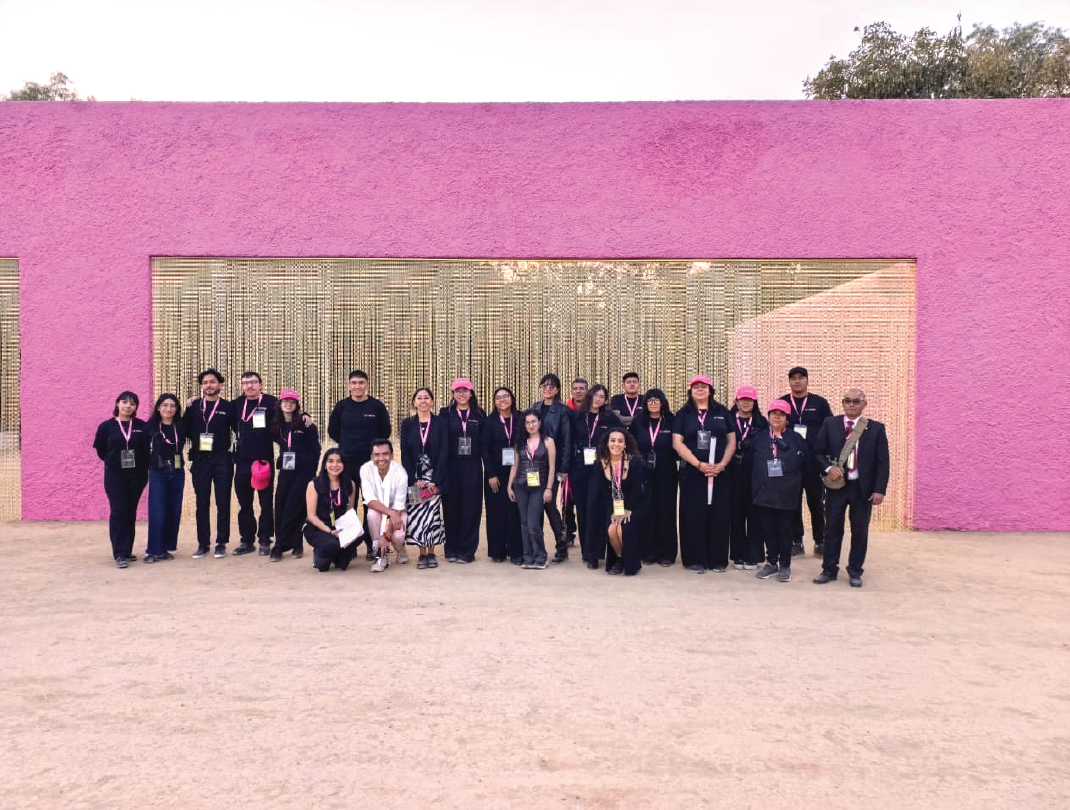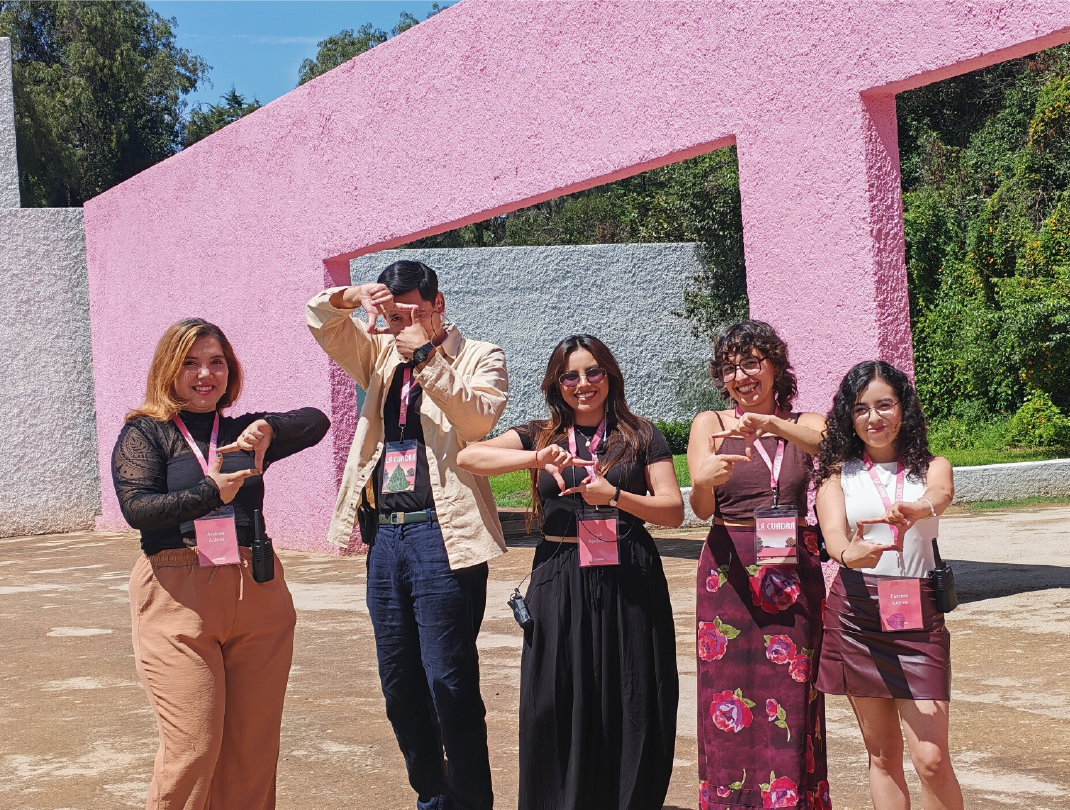
La Cuadra is a cultural space founded in 2025 dedicated to exploring the dialogue between architecture and contemporary art. Conceived as a place for research, production, and aesthetic experience, La Cuadra promotes curatorial projects, exhibitions, and interdisciplinary programs that broaden the understanding of Barragán’s legacy and its resonance in current practices. Its development is part of the Romero Foundation’s vision to create an open, dynamic cultural campus committed to critical reflection and creative experimentation.
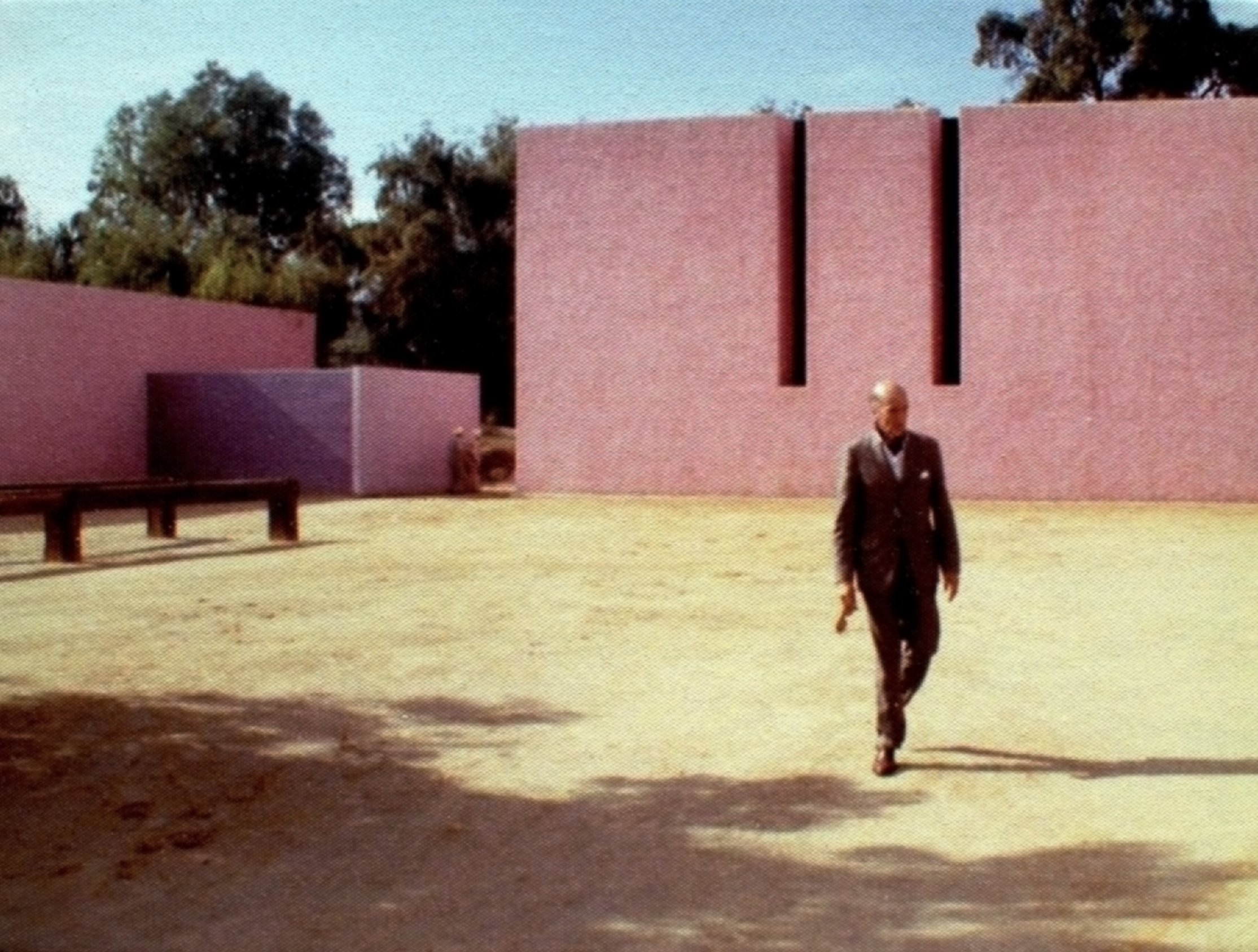
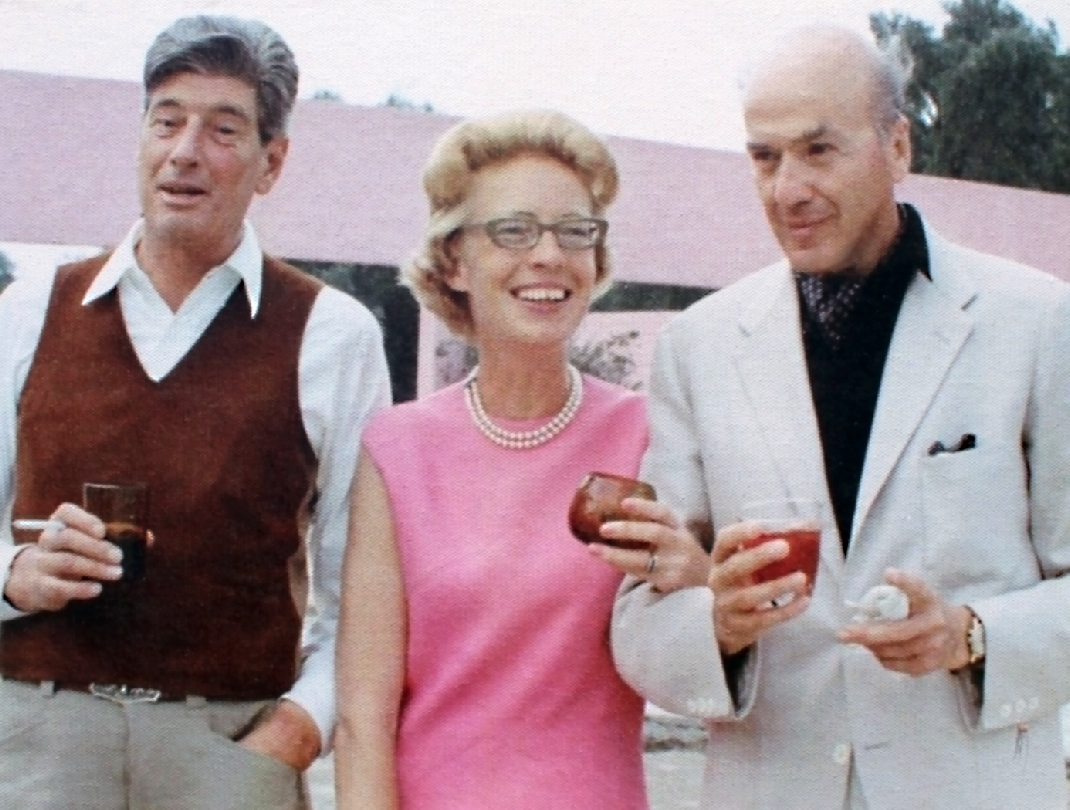
Luis Ramiro Barragán Morfín Guadalajara, Mexico (1902–1988)
Luis Barragán (b. 1902, Guadalajara, Jalisco; d. 1988, Mexico City) was one of the most influential architects of the 20th century. After graduating with degrees in civil engineering and architecture (1925), he took several trips throughout Europe that profoundly shaped his artistic sensibility, particularly his interest in gardens, landscape, and vernacular architecture. His work was characterized by a unique synthesis of modernity, tradition, spirituality, and landscape, evident in both private residences and urban planning and landscape architecture projects. Among his most significant works are the gardens and master plan for Pedregal de San Ángel, Las Arboledas, Cuadra San Cristóbal, Casa Gilardi, and various collaborations with artists such as Mathias Goeritz.
In 1976, the Museum of Modern Art in New York (MoMA) dedicated a retrospective exhibition to him that cemented his international recognition, and in 1985, the exhibition “Luis Barragán, Architect” was presented at the Tamayo Museum in Mexico City. He received numerous awards, including the National Prize for Science and the Arts (1976), the prestigious Pritzker Prize (1980), and the National Architecture Prize (1987).
His work is distinguished by its focus on constructive mass, the transformation of walls into textured three-dimensional elements, and the masterful use of color to manipulate light and evoke emotions. Although he did not seek to establish a formal school, he introduced a rigorous and intuitive architectural approach in Mexico that has influenced subsequent generations of architects.
Globally, Barragán established himself as a leading figure in the 1950s, and his legacy continues to resonate in contemporary architecture, inspiring architects, designers, and artists around the world.
Architectural Complex
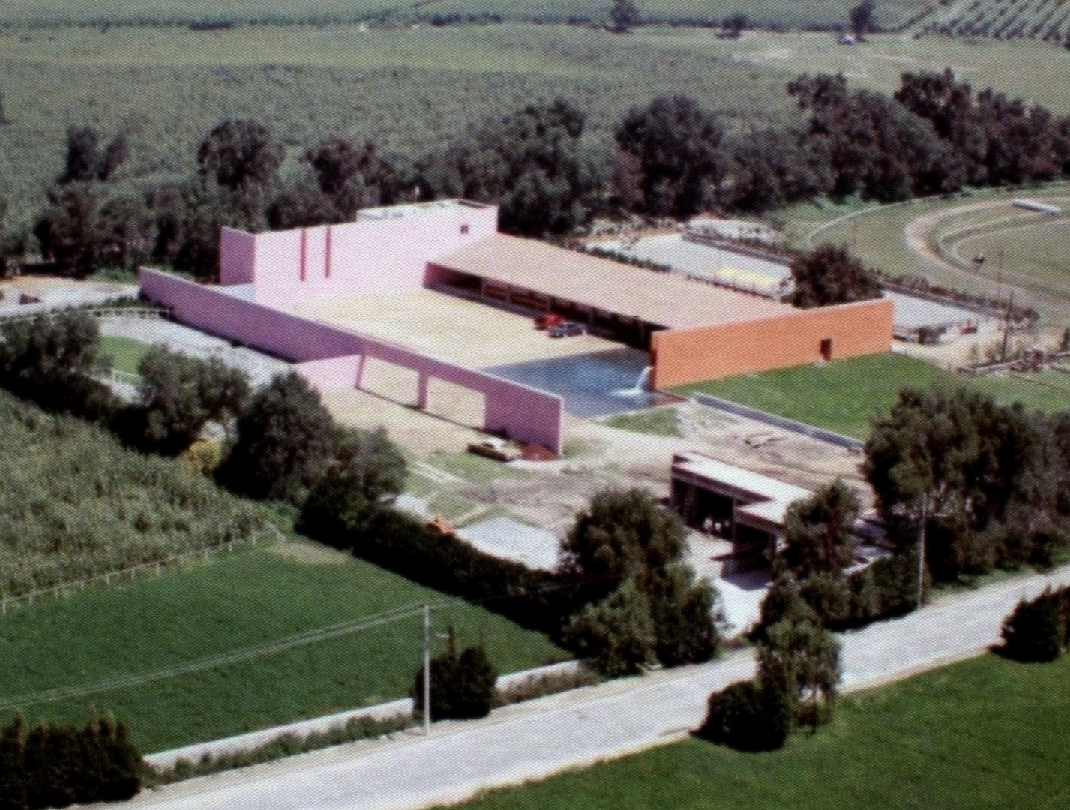
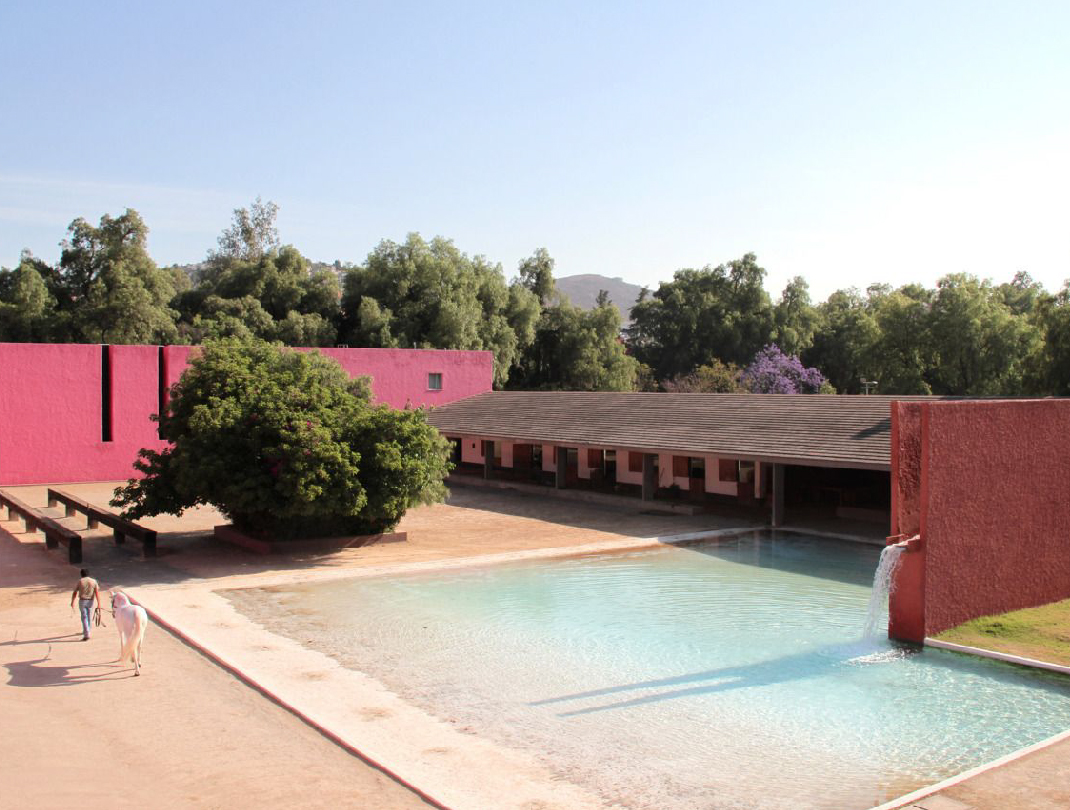
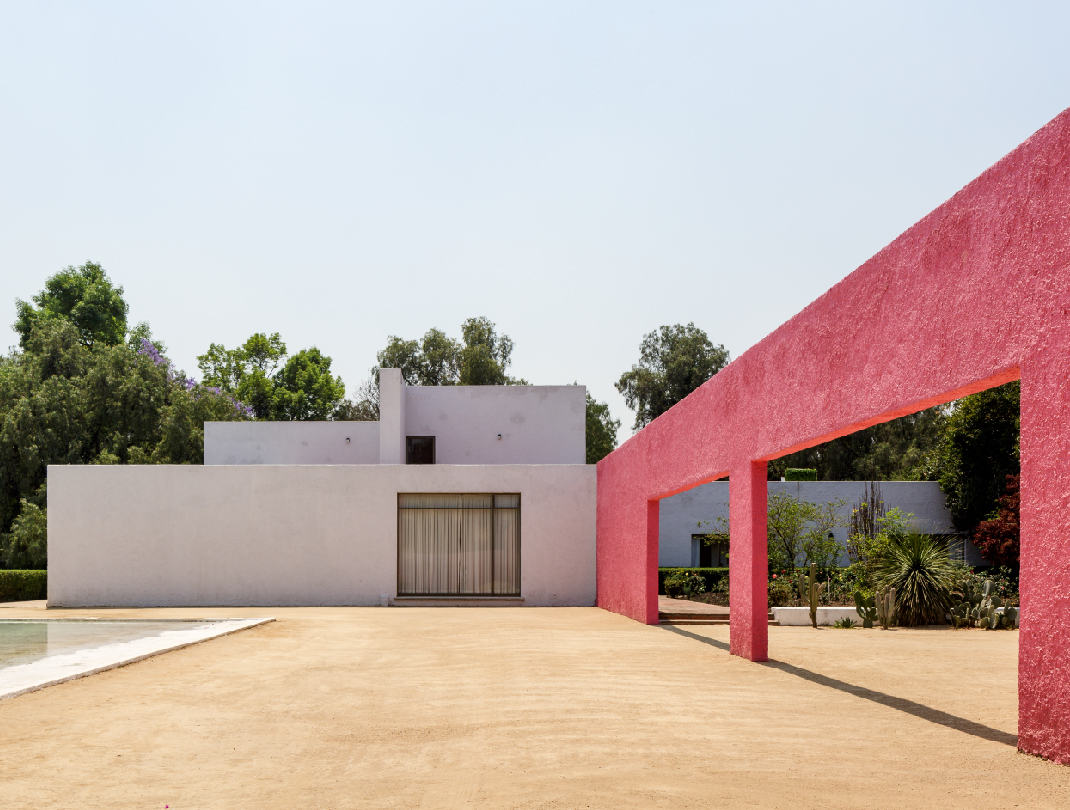
La Cuadra is a masterpiece by architect Luis Barragán, built between 1966 and 1968. It was commissioned by Mr. Folke S. Egerstrom (1921-2002), a thoroughbred horse breeder and trainer, who asked the architect to design a family residence with stables. For Barragán, it was an opportunity to develop his personal equestrian hobby, which he had maintained since childhood, on a large scale. The architectural work—considered unique in its kind worldwide—integrates housing, stables, and large equestrian spaces organized around a large walled courtyard with a monumental fountain and a pasture.includes a house, stables, and large equestrian spaces organized around a large walled courtyard with a monumental fountain and a 2.7-hectare pasture of 2.7 hectares.
The central pink wall articulates and separates the private area from the equestrian area, connected by porticos that frame views and pathways. The project combines modern functionalism with evocations of rural architecture and the Mexican landscape, through the use of stone, earth, grass, and a palette of intense colors.
Fundación Romero
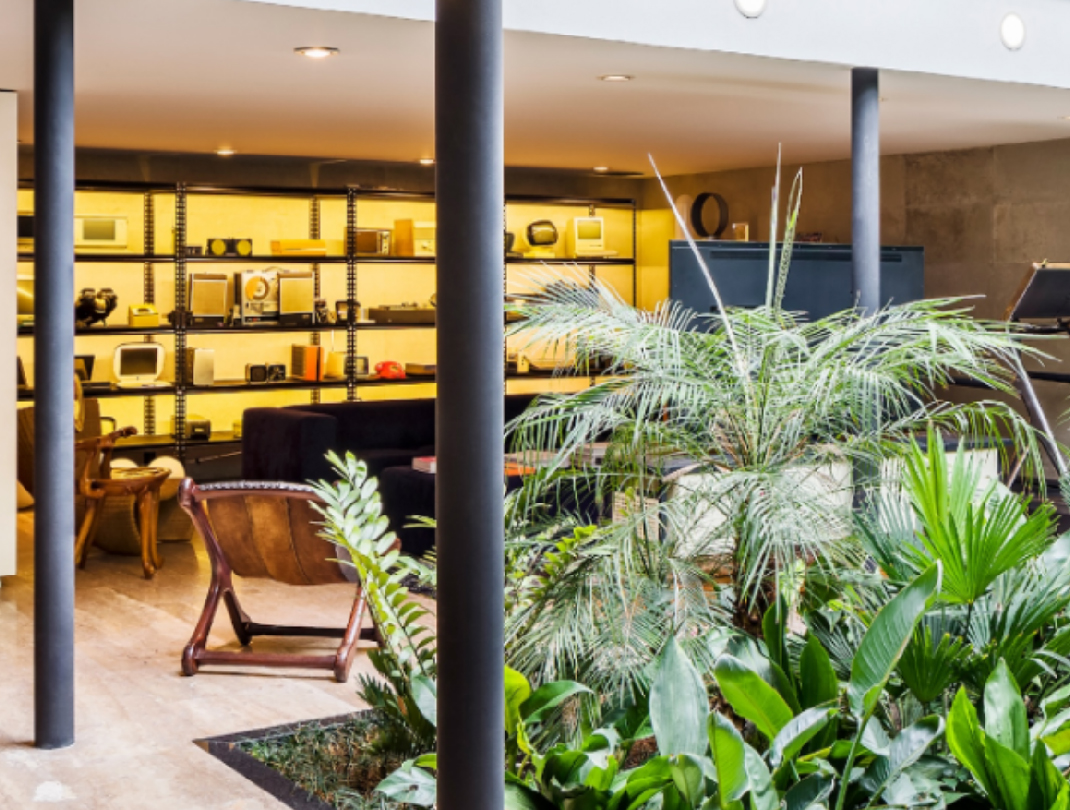
The Romero Foundation promotes initiatives in art, architecture, and research with the conviction that cultural innovation can generate social impact. As a non-profit institution, it promotes projects that articulate critical thinking, artistic production, and spatial development. Its programs are organized around two axes, art and culture, and applied research, with an inaugural project on the Mexico-United States border.